

Money
Money management isn’t about restriction—it’s about control and intention. When you shift your mindset, budgeting becomes a tool for freedom, helping you spend on what truly matters while avoiding unnecessary stress. With a clear system in place, you stop guessing where your money goes and start making confident, purposeful financial decisions.
Part 1: Shift Your Mindset — Budgeting = Freedom, Not Limitation
Most people think budgeting means saying “no” all the time.
In reality, it means:
- Saying yes to what matters most
- Spending intentionally instead of impulsively
- Removing financial stress and uncertainty
When every dollar has a purpose, you can enjoy your money without guilt—because your priorities are already covered.
Part 2: Know Where Your Money Goes (The 30-Day Audit)

You can’t fix what you don’t measure.
Action Step: Track Every Expense for 30 Days
- Record all spending (manual or via app)
- Categorize expenses
- Identify patterns and leaks
At the end of the month, you’ll clearly see:
- Where your money is actually going
- Which expenses are unnecessary
- Where adjustments are possible
Key insight: Awareness is the foundation of financial control.
Part 3: Use the 50/30/20 Rule (Simple & Effective Framework)
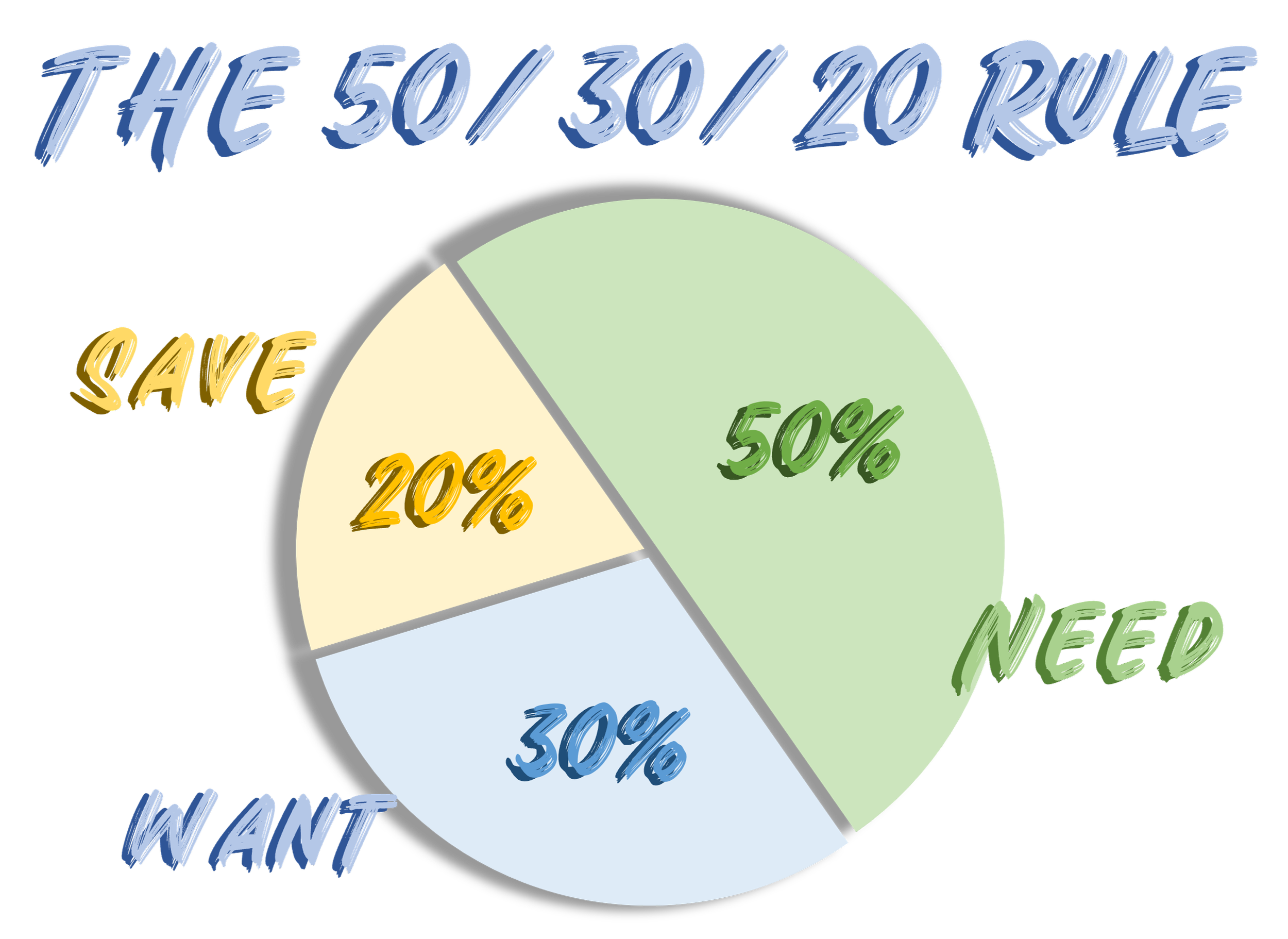
This rule divides your after-tax income into three categories:
1. 50% for Needs (Essential Expenses)
These are non-negotiables:
- Rent or mortgage
- Groceries (basic)
- Utilities
- Transportation
- Insurance
- Minimum debt payments
If this exceeds 50%, your cost of living may be too high relative to your income.
2. 30% for Wants (Lifestyle Spending)
This is your “enjoy life” budget:
- Dining out
- Shopping
- Entertainment
- Travel
- Subscriptions
Why it matters: This category prevents burnout and makes budgeting sustainable.
3. 20% for Savings & Debt Repayment
This is where real financial growth happens.
Priority order:
- Build emergency fund ($500–$1,000)
- Pay off high-interest debt
- Invest for long-term goals
Part 4: Make It Work in Real Life
1. Pay Yourself First
Before spending anything:
- Automatically transfer money to savings
- Treat savings like a fixed expense
Result: Saving becomes automatic, not optional.
2. Set Spending Limits
Define clear budgets for categories like:
- Food
- Entertainment
- Shopping
Monitor spending weekly to avoid overshooting.
3. Spend Without Guilt
Once your plan is set:
- Enjoy your “wants” category fully
- Stop feeling guilty about spending
This is the goal of a balanced budget.
Part 5: What If Your Budget Doesn’t Work?
If your numbers don’t add up, adjust strategically:
Step 1: Reduce “Wants” First
- Cancel unused subscriptions
- Eat out less frequently
- Replace habits with cheaper alternatives
Step 2: Optimize “Needs”
- Negotiate bills
- Switch service providers
- Reduce fixed costs where possible
Step 3: Increase Income
- Side hustles
- Freelance work
- Sell unused items
Reality: You can only cut so much—but income has no fixed ceiling.